Joy, hope, and pride – these three words can describe the excellent Diabetes Ireland Conference and Exhibition (DICE 2026) held on the 21st of May 2026 in Croke Park, Dublin. At this multidisciplinary healthcare professional conference, three milestones were achieved: the launch of the National Diabetes Strategy, Language Matters guidance for Ireland, and Diabetes Ireland Mental Health and Wellbeing Programmes.

Historical day – Minister for Health launched the Strategy
DICE brought together healthcare professionals, researchers, and policymakers to discuss the future of diabetes care in Ireland. A major focus of the conference was the launch of the National Policy and Services Review Report: A Strategy for Better Care by Minister for Health, Jennifer Carroll MacNeill, followed by extensive discussions on national priorities, implementation strategies, staffing gaps, and future funding opportunities within diabetes services. The Minister for Health came to Croke Park Conference Centre in the morning to welcome all the attendees, officially launch the strategy, and meet the Taskforce members who contributed to the document development.
See the Diabetes Policy and Services Review Report: A Strategy for Better Care here.
At the dedicated panel discussion, speakers highlighted the importance of coordinated implementation, advocacy for funding, staffing gaps and multi-stakeholder collaboration to put priorities, outlined by the co-chair of the document Steering group, Professor Derek O’Keeffe, into practice. Other speakers provided updates on nationwide initiatives: the development of a National Diabetes Registry, Irish Paediatric Diabetes Audit, and the need for person-centred communication and care, as part of the Language Matters for Ireland document launch. All involved agreed on how significant a milestone it is. The strategy launch is only the beginning of a long challenge to improve services across Ireland.
Language Matters. Always
During the session, the Language Matters guidance for Ireland was launched, and Dr Cathy Breen, on behalf of the wider group, presented the most important messages. The document, published on the conference day, highlights the importance of inclusive, non-judgmental communication and person-centred care and offers guidance on successful and respectful dialogue between healthcare professionals and people living with diabetes. The academic paper published in Diabetic Medicine is to be found here: Language matters: Guidance for person-centred diabetes communication in Ireland.
Fantastic talks and speakers
Apart from historical achievements, many national and international speakers shared their expertise with the attendees. Across the adult diabetes, paediatric and pregnancy in diabetes streams, there was significant emphasis on mental health and wellbeing, recognising the psychological impact of living with diabetes at all stages of life. Presentations explored technology burnout, transition between paediatric and adult services, and support for parents and carers, and launched Diabetes Ireland Mental Health and Wellbeing Programmes aimed at improving emotional wellbeing among adults with Type 2 diabetes (COPE), newly diagnosed Type 1 diabetes (T1 DREAMS) and parents/carers of children with diabetes (CARE). Discussions also examined the growing role of artificial intelligence, precision medicine, health economy and immunotherapies in shaping the future of diabetes prevention and treatment.
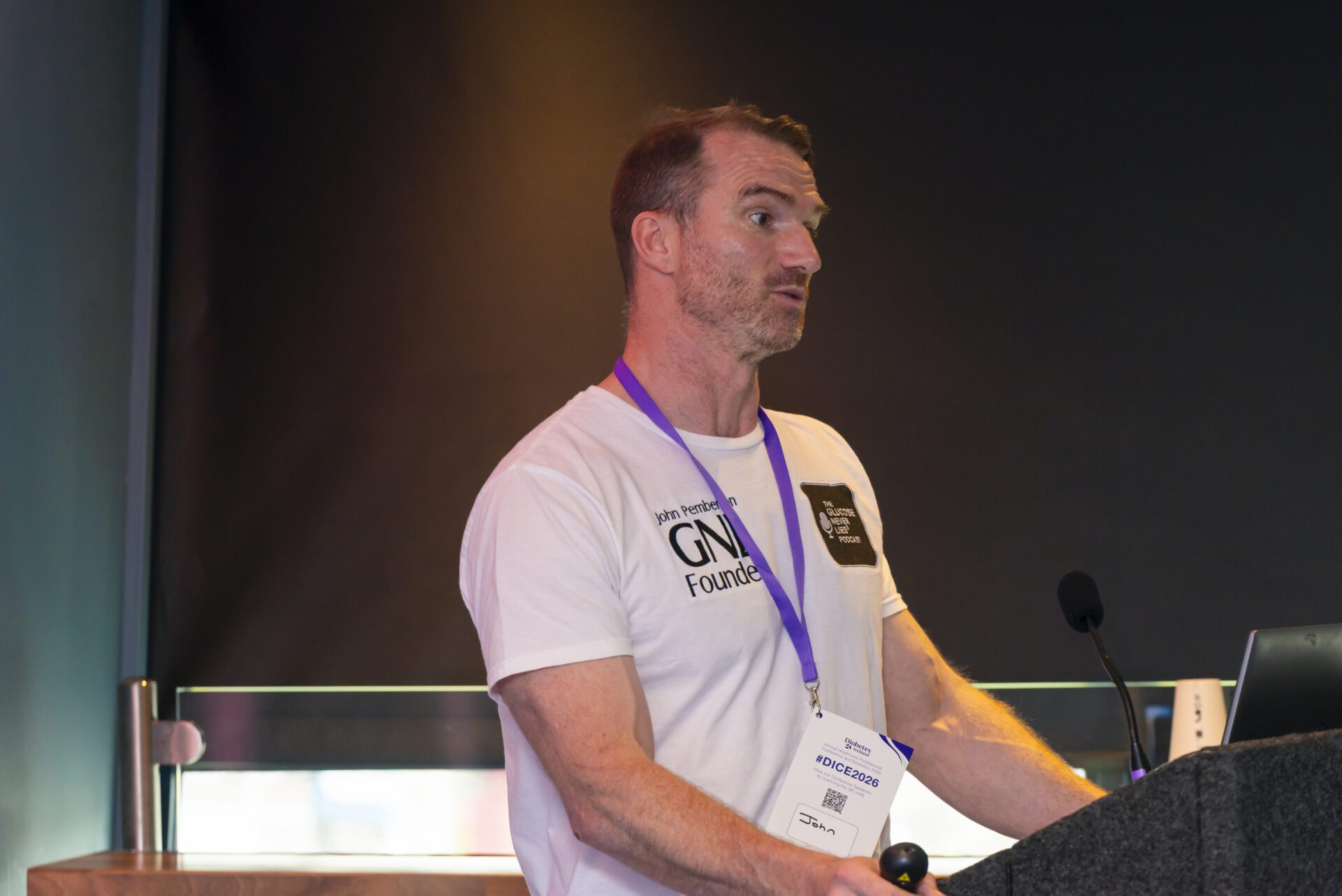
The conference also showcased advances in diabetes technologies and therapeutics, including the expanding role of GLP-1 therapies, continuous glucose monitoring, hybrid closed-loop systems, and e-health record-based research platforms. Experts discussed the challenges and opportunities associated with integrating them into routine clinical care while balancing economic considerations and equitable access for people with diabetes, and the Keynote Speaker, Professor Helen Colhoun from Scotland, shared how e-health records can be used in practice to improve health nationally.
Read more about the Strategy Priorities here.