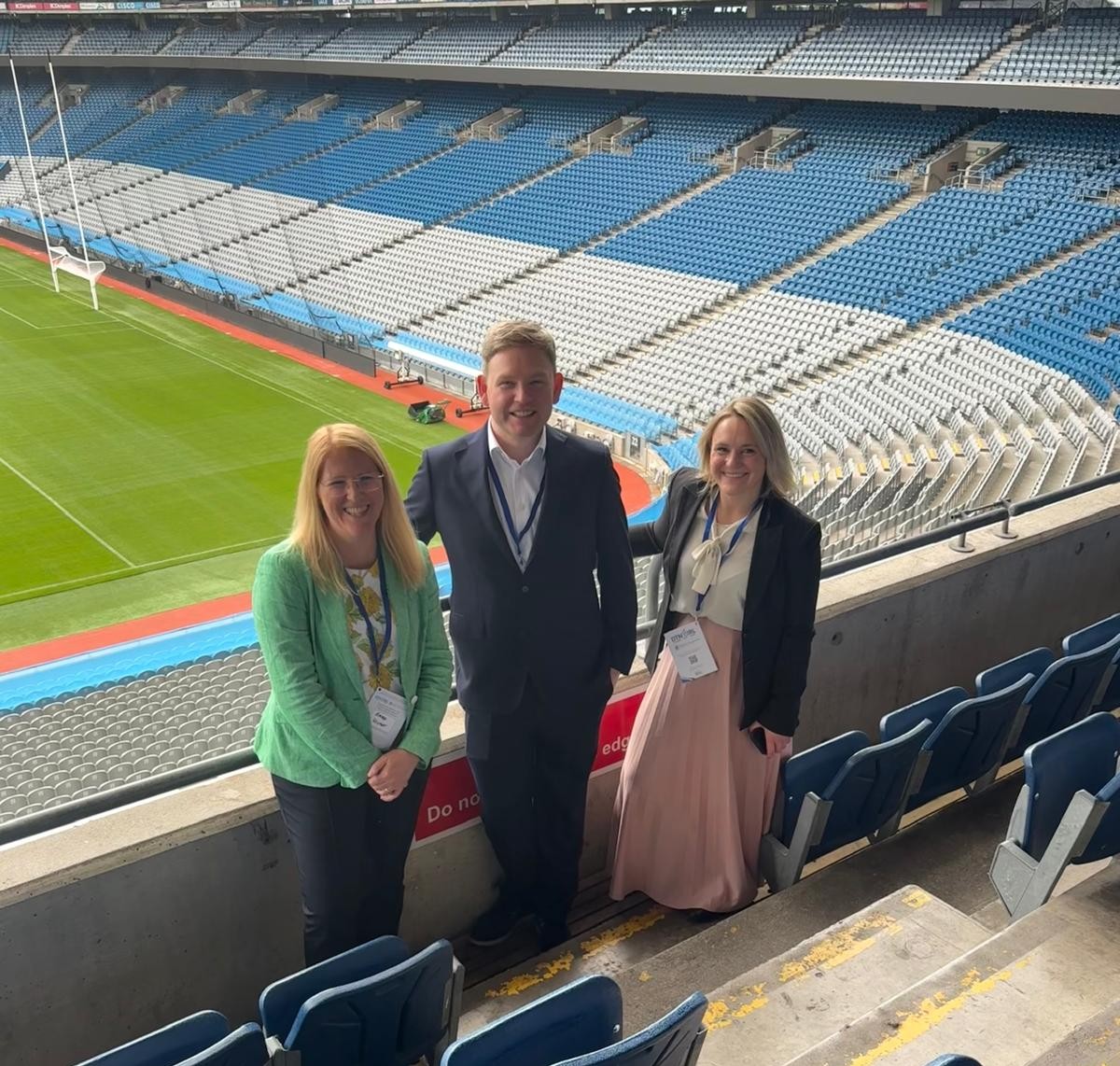
Healthcare professionals, researchers, and industry leaders gathered on the 22nd of May in Croke Park for a dynamic day to focus on the rapidly evolving role of technology and research in diabetes care. The conference brought together national and international experts to examine the latest evidence, innovations, and practical applications shaping the future of diabetes management.
The meeting opened with welcoming remarks from Professor Fidelma Dunne and Dr Tomás Griffin, representing the meeting organisers, Diabetes Collaborative Clinical Trial Network (DCCTN) and Diabetes Technology Network (DTN) Ireland. Both speakers highlighted the importance of collaboration, research, and innovation in improving outcomes for people living with diabetes.
CGM for all?
A keynote address from Dr Emma Wilmot, Associate Professor at the University of Nottingham and Honorary Consultant Diabetologist in Derby, set the tone for the day. Her presentation, Evolving Role of Technology in Diabetes Care – What the Trials Say, examined the growing body of evidence supporting diabetes technologies and their impact on clinical outcomes, quality of life, and healthcare delivery in all types of diabetes.
Beyond technology
The morning breakout sessions explored diverse perspectives on diabetes care. In the DTN stream, mental health and wellbeing related aspects of diabetes technology use (Ass. Prof. Maartje de it. Netherlands), as well as strategies for expanding equitable access to technology innovations, based on Northern Ireland experience (Dr Una Graham), were discussed
A parallel DCCTN session focused on wider endocrinology and diabetes-related topics. Professor Jenny Myers of the University of Manchester presented recent advances in understanding placental dysfunction in pregnancy, while Professor Angus Jones from the University of Exeter addressed the ongoing challenges surrounding the diagnosis and management of type 1 diabetes in adults.
A highlight of the programme was the Technology Speed Dating session, which provided delegates with an opportunity to engage directly with leading industry partners and organisations. Representatives from 8 diabetes technology-related companies showcased the latest developments in diabetes technologies and digital health solutions.
During the lunch break, attendees viewed Imperfect Days: Voices of Patients in Clinical Trials, a documentary screening that offered valuable patient perspectives and highlighted the lived experiences of those participating in clinical research.
The afternoon programme returned to the theme of technological innovation with a presentation by Professor Charlotte Boughton of the University of Cambridge on Automated Insulin Delivery systems. Her session explored the expanding role of automated insulin delivery beyond traditional type 1 diabetes management and the potential future applications of these technologies.
Age, hospitalisations, and modifying type 1 diabetes
Further breakout sessions addressed the use of technology across different patient populations and clinical settings. Associate Professor Ciara Coveney discussed optimising hybrid closed-loop systems during pregnancy, while Georgina Doyle explored the opportunities and challenges of technology use among older adults living with diabetes. Claire Maye focused on supporting adolescents and young adults as they navigate diabetes management using modern technologies.
Beyond technology, the programme also examined emerging therapeutic approaches and population health trends. Professor Colin Dayan from Cardiff University presented developments in immunotherapies aimed at modifying the course of type 1 diabetes, while Dr Naomi Holman shared insights into trends in potentially avoidable hospitalisations among people with diabetes in Ireland between 2015 and 2024.
The DTN stream concluded with a practical session from dietitian Cliodhna Myles on carbohydrate counting and hybrid closed-loop therapy, emphasising its continued importance.
The meeting, supported and co-organised by Diabetes Ireland, reinforced the growing role of technology in transforming diabetes management while recognising that successful implementation depends on multidisciplinary collaboration, patient engagement and continued research. As innovations continue to emerge, events such as this provide an important forum for sharing knowledge, fostering partnerships and shaping the future of diabetes care in Ireland and beyond.